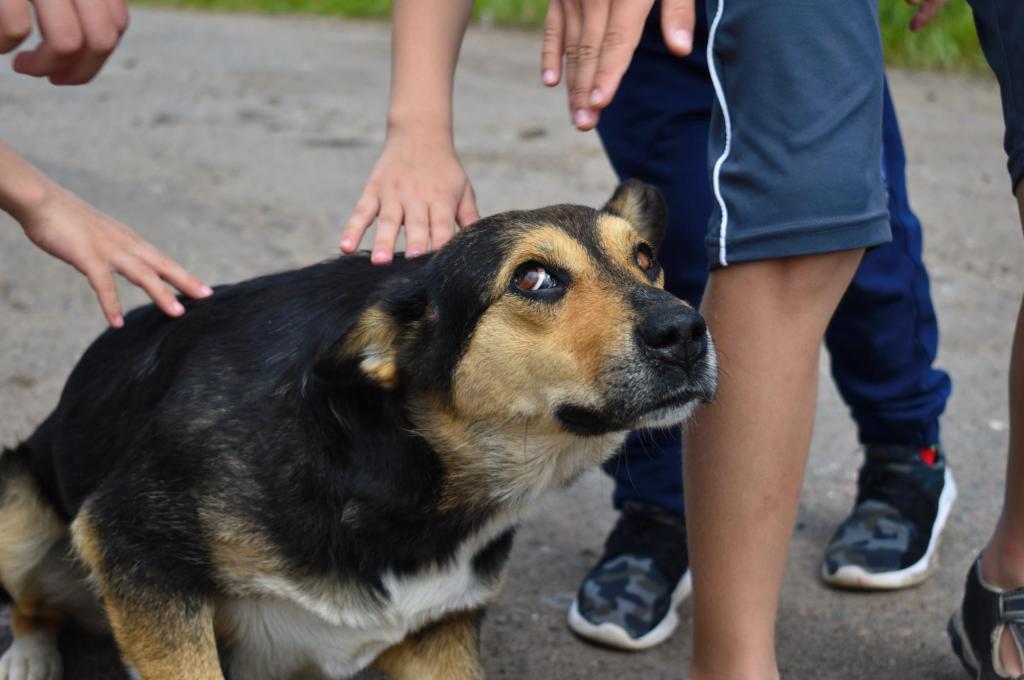
Each year, Dog Bite Prevention Week shines a spotlight on something incredibly important—keeping both dogs and people safe through education, awareness, and compassion.
The truth is, most dog bites are preventable. Dogs don’t bite “out of nowhere”—they communicate clearly through body language. When we learn to recognize and respect those signals, we can prevent fear, stress, and unsafe situations before they ever escalate.
🐶 Why Do Dogs Bite?
Dogs typically bite as a last resort, not a first choice. Biting is often a response to:
- Fear or anxiety
- Pain or illness
- Feeling trapped or cornered
- Resource guarding (food, toys, space)
- Overstimulation or stress
Understanding the “why” helps us respond with empathy instead of punishment.
⚠️ Common Warning Signs to Watch For
Dogs give us plenty of signals before a bite happens. These are often subtle and easy to miss if you don’t know what to look for:
- Lip licking (when not eating)
- Yawning when not tired
- Turning head away or avoiding eye contact
- Stiff body or freezing
- Whale eye (showing whites of eyes)
- Growling or low vocalizations
👉 Important: Never punish a growl. A growl is communication—not bad behavior. If we suppress it, we risk removing the warning and increasing the chance of a bite.
👨👩👧 Teaching Kids Safe Dog Interactions
Children are at the highest risk for dog bites, but simple education can make a huge difference:
- Always supervise interactions between kids and dogs
- Teach children to ask before petting any dog
- No hugging, climbing, or bothering dogs while eating or sleeping
- Encourage calm, gentle petting (not face-to-face interactions)
- Teach kids to “be a tree” (stand still and quiet) if a dog approaches
🦴 How to Prevent Dog Bites
Prevention starts with proactive training and management:
✔️ Build Positive Associations
Use positive reinforcement training to help your dog feel safe and confident in different environments.
✔️ Respect Your Dog’s Boundaries
Let your dog move away when they’re uncomfortable—don’t force interactions.
✔️ Provide Enrichment
Mental and physical outlets reduce stress and frustration.
✔️ Advocate for Your Dog
It’s okay to say “my dog needs space.” You are your dog’s voice.
✔️ Work with a Professional
If your dog shows signs of fear, anxiety, or reactivity, early support makes all the difference.
💜 A Pawsitive Reminder
Dog bite prevention isn’t about blaming dogs—it’s about understanding them.
When we:
- Listen to their communication
- Respect their boundaries
- Use kind, science-based training
…we create safer, more trusting relationships for everyone.
🐾 Need Help?
If you’d like guidance on:
- Reading your dog’s body language
- Preventing reactivity or fear-based behaviors
- Teaching safe interactions for your family
I’m here to help! Download my Dog Bite Prevention Handout today: Dog Bite Prevention Handout
 Always Stay Pawsitive Dog Training
Leave a comment