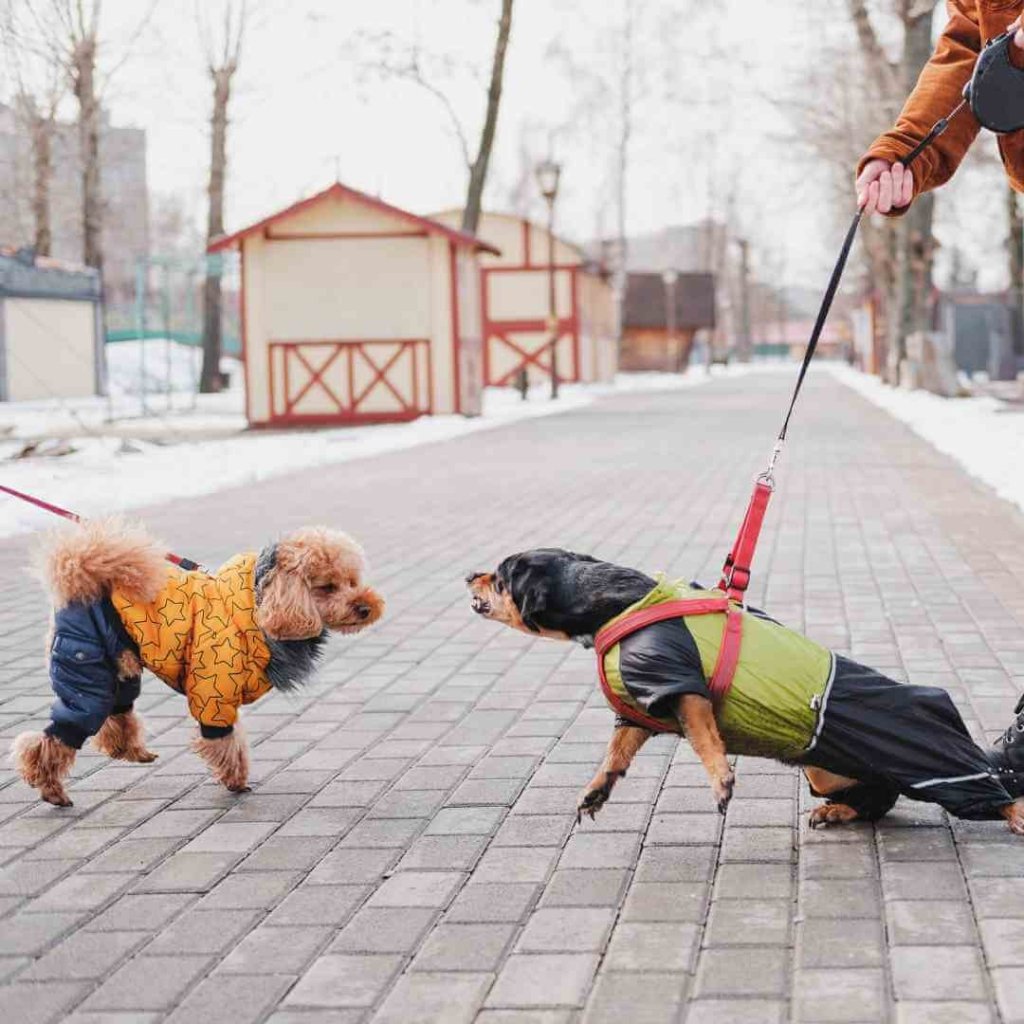
🐶 “My Dog Was Fine… Then Suddenly Reacted”
Does your dog:
- Seem okay one moment
- Then suddenly bark, lunge, or shut down?
👉 That’s likely a threshold issue.
🧠 What is “Threshold”?
Threshold is the point where your dog goes from:
✔ Calm and able to think
➡️ To
❌ Overwhelmed and reactive
👉 Once your dog crosses that line, learning stops.
⚠️ Why Threshold Matters
When your dog is:
- Overstimulated
- Too close to a trigger
- Emotionally overwhelmed
👉 They can’t learn, no matter what you do.
That’s why training “fails” in those moments.
🔍 What Crossing Threshold Looks Like
Signs include:
- Barking or lunging
- Ignoring cues
- Hyper-focus on trigger
- Tense body language
👉 Your dog is no longer in a learning state.
🐾 Step 1: Work UNDER Threshold
This is where progress happens.
👉 Find the distance where your dog:
✔ Notices the trigger
✔ BUT stays calm
✔ Can still take treats
🧁 Step 2: Pair Triggers with Positive Experiences
When your dog sees a trigger:
✔ Mark (“Yes!”)
✔ Give a treat
✔ Stay at a safe distance
👉 “Trigger = good things”
👀 Step 3: Watch Body Language Closely
Look for early signs:
- Lip licking
- Stiff posture
- Intense staring
👉 These are your cues to create space.
⏱ Step 4: Gradually Decrease Distance
Over time:
✔ Slowly move closer
✔ Only if your dog stays calm
✔ Progress at your dog’s pace
👉 This builds confidence safely.
🚫 What NOT to Do
❌ Don’t push your dog too close
❌ Don’t force exposure
❌ Don’t train over threshold
👉 This often makes behavior worse.
💜 What Success Looks Like
A dog who:
✔ Notices triggers without reacting
✔ Stays engaged with you
✔ Recovers quickly
✨ Final Thoughts
Training isn’t about pushing your dog—it’s about meeting them where they are.
👉 Progress happens under threshold 💜
📣 Need Help with Reactivity or Triggers?
🐾 Always Stay Pawsitive Dog Training
Helping you create calm, confident behavior—step by step.
 Always Stay Pawsitive Dog Training
Leave a comment